
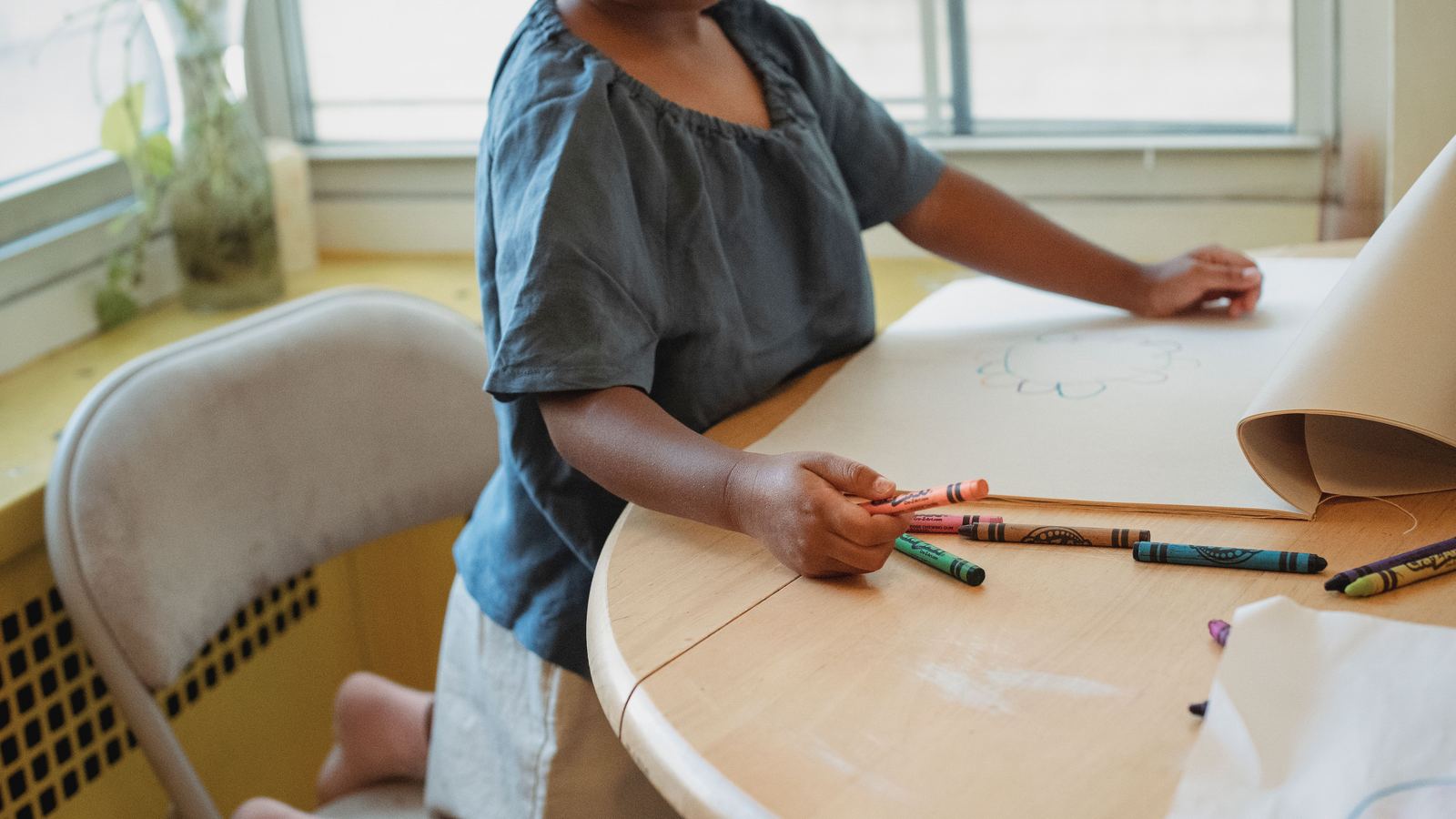
Adults grieve in waves. Children grieve in puddles — a short, intense burst, and then they are asking what is for tea.
That pattern is the single most misread thing about childhood grief. A child who returns to play twenty minutes after crying is not shallow, and is not over it. They are taking a break from something too large to hold continuously.
What they understand depends on age
Getting this right shapes almost everything else, because a child who has misunderstood what has happened will be grieving something other than what actually occurred.
Children do not arrive with an adult concept of death, and a great deal of confusion comes from adults assuming they do.
| Age | What they understand | What helps most |
|---|---|---|
| 2–5 | That the person is absent, but often not that it is permanent | Simple, concrete, repeated answers; unchanged routines |
| 6–8 | That death is final, but often not that it is universal | Room for detailed and sometimes blunt questions |
| 9–12 | An essentially adult understanding, including cause and effect | Honesty, and being included in decisions and rituals |
| 13–18 | Adult understanding, with adult existential questions attached | Being taken seriously; peers often matter more than parents here |
Younger children frequently believe they caused the death — through a thought, a wish or some misbehaviour. Most never say so unless asked. It is worth saying plainly, more than once, that nothing they did or thought made this happen.
Say the word
This is the part adults find hardest, and the part that makes the most immediate difference to a young child’s understanding.
The instinct to soften language is well meant and reliably backfires with younger children, who are literal.
“We lost Grandad” invites a search. “Gone to sleep” produces a child frightened of bedtime. “Went away” suggests a choice was made, and that they might be left too.
| Instead of | Say | Why |
|---|---|---|
| “We lost her.” | “She died.” | Literal children take losing to mean findable |
| “He’s gone to sleep.” | “His body stopped working.” | Avoids making sleep frightening |
| “She went away.” | “She died, and she isn’t coming back.” | Prevents the fear of being left next |
| “Be brave for your mum.” | “You can be sad. We all are.” | Do not recruit a child as an emotional support |
| “You’ll get over it.” | “It will change, and we’ll manage it.” | Grief is not something to get past on a schedule |
| “Don’t cry.” | “I’m here.” | Teaches that the feeling is acceptable |

Brothers and sisters grieve differently
This catches parents out badly, usually at the point where they are least equipped to referee it.
Siblings in the same house frequently grieve in ways that look incompatible, and this causes a surprising amount of friction.
One child wants to talk constantly; another cannot bear the subject raised. One is tearful; another is angry, or apparently unbothered and back on a games console within a week. Parents often worry that the quiet one is repressing something and press them, which reliably makes it worse.
Age accounts for much of it, temperament for the rest. What helps is refusing to hold up one child’s grieving as the correct model. Offer each of them a route that suits them, and protect the one who wants to talk from monopolising the household — and the one who does not from being interrogated.
Rituals and funerals
Children who are excluded from funerals often remember it as being shut out of something important, and adults who made that decision frequently regret it later.
What makes attendance work is preparation. Describe what the room will look like, who will be there, what will happen and how long it will take. Say that people may cry, and that this is allowed. Arrange for a trusted adult who can leave with them at any point.
If they choose not to attend, offer an alternative: lighting a candle at home, choosing a flower, drawing something to be included.

What helps day to day
None of this requires expertise. It is ordinary parenting, applied deliberately during a period when ordinary things feel impossible.
- Keep routines. Predictability is the main source of safety when something enormous has changed.
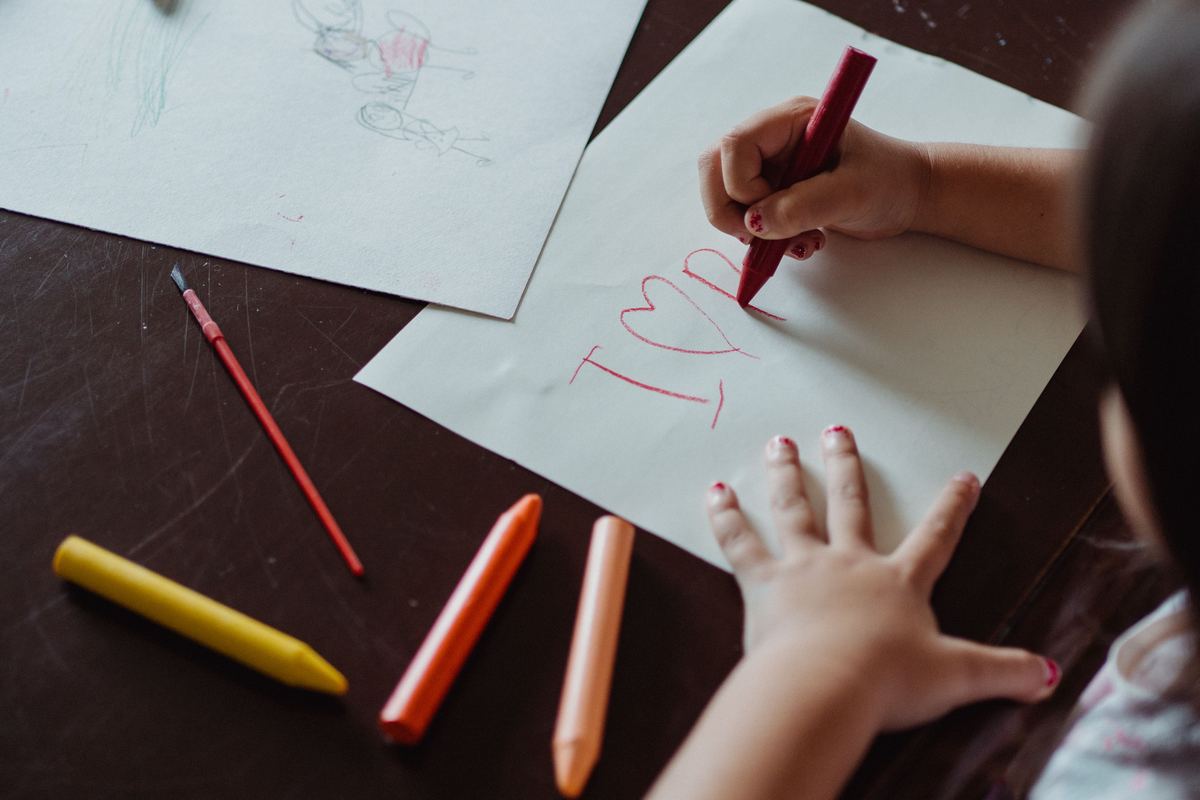
- Offer non-verbal routes. Drawing, a memory box, planting something. Younger children process through activity more readily than through conversation.
- Keep saying their name. Families often stop mentioning the person to protect each other, and children read the silence as the subject being forbidden.
- Expect regression. Bedwetting, clinginess, thumb-sucking. It is common and it usually passes.
- Tell the school. A teacher who knows can be tolerant on a difficult morning instead of puzzled by it.
- Let them see you grieve. A child who never sees an adult cry concludes that grief must be hidden.

It comes back
This surprises families more than anything else about childhood grief, and knowing it in advance takes a good deal of the alarm out of it.
Childhood grief is not completed. A child who lost a parent at six will grieve again at eleven, and again at sixteen, because each time they understand more of what was lost.
Parents often worry that a resurgence years later means something has gone wrong. Usually it means the opposite: the child has grown into a fuller understanding, and is meeting the loss again with new equipment.
Anniversaries, birthdays and milestones reliably bring it back. Naming that in advance — “this week might be hard” — helps more than pretending the date is ordinary.

A first loss is often a pet
For most children the first death they encounter is an animal, and it is worth treating that seriously rather than as a rehearsal.
The instinct to replace the pet quickly, or to say it was rehomed on a farm, is understandable and teaches something unhelpful: that losses are swapped out and that adults are unreliable about them. Children generally find out eventually.
Handled honestly, a pet’s death is a genuinely useful first experience of grief — a smaller loss, with the same shape, in a household still functioning normally. Let them help with the burial, mark it somehow, and answer the questions plainly.
When it needs more than family
Most grieving children do not need therapy. They need honest adults and time.
It is worth seeking help if a child cannot function at school months on, if they are persistently convinced the death was their fault, if they have stopped playing altogether, if sleep or eating have changed markedly for a sustained period, or if they express wanting to die too.
For younger children this work usually happens through play therapy or sand tray therapy rather than conversation, for the reasons our comparison of play therapy and talk therapy sets out. Where a whole family is grieving, family counseling is often more useful than sending one child alone.
The Dougy Center, the national centre for grieving children and families, publishes free guidance for parents supporting a grieving child.
Frequently asked questions
Should children go to the funeral?
Usually yes, if they want to and someone has explained what will happen. Being excluded tends to be remembered as being shut out. Never force attendance, and give them a way to leave with a trusted adult.
Is it normal for a grieving child to seem fine?
Very. Children grieve in short bursts and return to play in between, which adults often misread as being unaffected. Playing is how they take a break from something too large to hold continuously.
What if my child does not want to talk about it?
Do not force it. Offer other routes — drawing, a memory box, a walk — and keep mentioning the person naturally yourself, which gives permission without demanding anything.
Should I hide my own grief from them?
No. Children who never see an adult grieve conclude that grief is unspeakable. Let them see it, with the reassurance that you are being looked after too.
How long does grief last in children?
There is no timetable, and it recurs at developmental milestones — a child may grieve the same loss again at nine and at fifteen, understanding it differently each time.
Our page on child therapy in Orem explains how we work with children, and you can read about Tim Ponce, LMFT. If you are unsure whether your child needs more support, contact the office and ask.