

Parents often arrive having already decided their child needs to “talk to someone”. It is a reasonable assumption, and for a fifteen-year-old it is usually right.
For a six-year-old it is often the wrong tool. Not because the child is uncooperative, but because the equipment talk therapy depends on has not finished developing yet.
Why talking does not work for younger children
Talk therapy asks a person to notice an internal state, name it, and describe it to someone else. That sequence relies on abstract thinking, which most children do not develop fully until around age eleven or twelve.
Ask a seven-year-old why they hit their brother and you will usually get one of two answers: “I don’t know”, or whatever they think will end the conversation fastest. Neither is evasion. The question is simply above the tool they have.
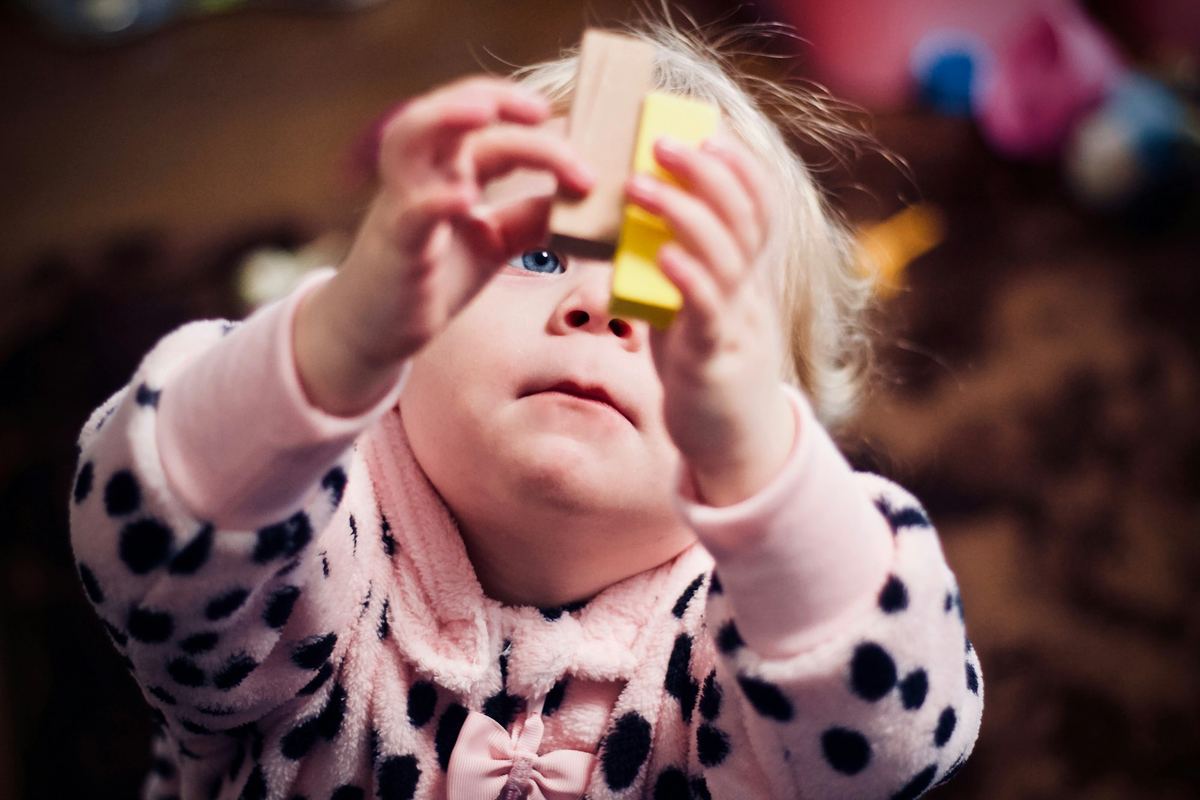
Play does not have that problem. A child who cannot explain that they feel unsafe will place the small figure behind a wall, and do it again next week.
What this looks like at home
Parents often describe the same sequence. They ask a gentle question, get a shrug, ask again more carefully, and get an answer that closes the subject down.
Then twenty minutes later the same child narrates the entire problem to a soft toy, or draws it, or acts it out with two figures on the rug. Nothing was being withheld. The information simply travels through a different channel.
Play therapy and talk therapy side by side
| What to compare | Play therapy | Talk therapy |
|---|---|---|
| Typical age | Roughly 3 to 12 | Roughly 12 and upward |
| How the child communicates | Through toys, figures, drawing and story | Through conversation and reflection |
| What a session looks like | Child leads, therapist follows and comments | Structured conversation, sometimes with exercises |
| What it needs from the child | Willingness to play, nothing more | Some ability to name and reflect on feelings |
| Parent involvement | Often high, with regular parent sessions | Usually lower, with confidentiality boundaries |
| Best suited to | Behaviour changes, anxiety, family upheaval, early trauma | Low mood, worry, identity, relationships, school pressure |
| Common misconception | “It is just playing” | “Any child can do it if they try” |
Neither column is a better therapy. They are different instruments, and the child’s developmental stage decides which one is in tune.
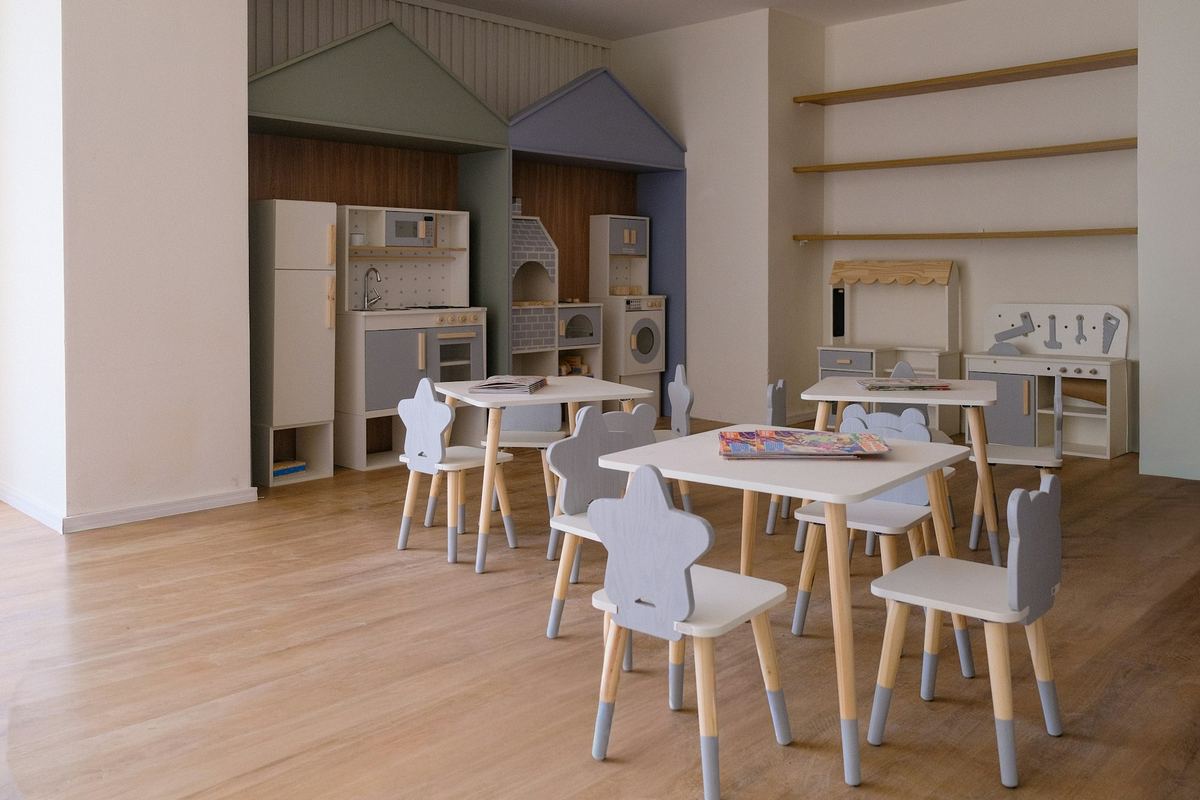
Where sand tray therapy sits between them
There is a middle option that suits children who are past the toy-box stage but not yet comfortable with straight conversation.
Sand tray therapy asks a child to build a scene in a shallow tray using small figures. It is less exposing than talking and more structured than free play, which makes it useful for nine-to-fourteen-year-olds who fall between the two.
It also works with adolescents and adults, which surprises most parents. We have written a separate walkthrough of what actually happens in a sand tray therapy session, and our service page covers sand tray therapy in Orem in more detail.
Choosing by age and by concern
Age is the first filter, but not the only one. The presenting concern shifts the answer.
| Age | What you are seeing | Usually the better starting point |
|---|---|---|
| 3–7 | Tantrums, regression, clinginess after a change at home | Play therapy |
| 3–7 | Fears, nightmares, separation anxiety | Play therapy with parent sessions |
| 8–11 | School refusal, friendship difficulties | Play therapy or sand tray work |
| 8–11 | Articulate child, clear worries they can describe | A blend, led by the child |
| 12–14 | Withdrawal, irritability, falling grades | Sand tray or talk therapy |
| 15–18 | Low mood, anxiety, identity, relationships | Talk therapy |
| Any age | Whole-household conflict rather than one child | Family counseling |
“But my child is very articulate for their age”
This comes up constantly, and it is worth taking seriously. A verbally advanced nine-year-old can hold a conversation about their feelings.
The question is whether the conversation is accurate. Articulate children are often skilled at producing the answer an adult is hoping for, which is a social ability rather than an emotional one. Play-based work is harder to perform.

Where anxiety changes the answer
Anxiety is the one presentation where the usual age rule bends, and it bends in both directions.
An anxious eight-year-old can often describe the worry in words perfectly well, which tempts everyone toward conversation. The difficulty is that talking about a fear repeatedly, without doing anything different, can rehearse it rather than reduce it. Play gives the child a way to approach the feared thing at one remove and at their own pace.
An anxious sixteen-year-old, meanwhile, may talk fluently and still avoid the subject entirely, because fluency makes avoidance easier to disguise.
What parents can expect either way
- Progress is not linear. A settled fortnight followed by a difficult week is normal, not a relapse.
- You will be involved. Work with a younger child that excludes the parents rarely holds once the child goes home.
- The therapist will not report every detail. Children need some privacy for the work to be honest. Safety concerns are always the exception.
- Change often shows up at home first. Teachers usually notice second.
The Nemours KidsHealth guide to finding a therapist for your child covers what to ask about a practitioner’s training and experience if you want to read further before deciding.
How you would know it is working
The two approaches announce progress differently, which is worth knowing so you do not measure one by the other’s yardstick.
With talk therapy, change often shows up in what a young person says. They describe a situation more accurately, or catch themselves mid-sentence, or report having handled something differently. It is visible in language because language is the medium.
With play therapy there is rarely a moment of articulation. What changes is the play itself. A scene that ended in destruction for six weeks starts to include a rescue. A child who only ever buried the figures begins digging one out. Parents usually notice the change at home before they understand what produced it, which can feel unsatisfying if you were expecting a report.
How long does each take?
Neither is a quick fix, and any practitioner promising a set number of sessions before meeting your child is guessing. That said, the shapes differ.
Play-based work with a younger child often runs weekly for a period of months, because change in young children consolidates slowly and needs repetition. Talk therapy with an adolescent can sometimes move faster, particularly where the young person came willingly and has a goal of their own.
What matters more than the count is whether you can name something that has changed. If nothing observable has shifted after a couple of months, that is a conversation to have with the therapist rather than a reason to quietly stop attending.
When the answer is neither
Sometimes the child is not the right client. If the difficulty follows a household pattern rather than one child, individual work can stall while the pattern continues.
In that case family counseling that brings the whole household in tends to move faster. If you are unsure which applies, our guide to the questions a family therapist asks in a first session shows how that decision usually gets made.

Frequently asked questions
At what age does talk therapy start working for children?
Most children develop the abstract thinking that talk therapy relies on somewhere around eleven or twelve. Before that, asking a child to describe a feeling in words often produces a polite answer rather than a true one.
Is play therapy only for very young children?
No. It is most common between three and twelve, but developmental stage matters more than birthday. An older child who has experienced early trauma may do better with play-based work than with conversation.
Do parents sit in on play therapy sessions?
It varies by approach and by goal. Some models involve the parent directly in the room; others keep the session between child and therapist and use a regular parent review. Ask which applies before you start.
How do I know which one my child needs?
You do not have to work that out in advance. Describe what you are seeing at home and at school, and the therapist will suggest a starting point.
Can the two approaches be combined?
Routinely, and often within a single session. A child might begin with ten minutes of play to settle and then talk more directly about something specific. The balance usually shifts toward conversation as a child gets older rather than switching over on a particular birthday.
If you would like to talk it through before deciding, you can contact our Orem office. You can also read about child therapy for younger children and therapy for teenagers, or about Tim Ponce, LMFT, who provides both.