

Children almost never announce that they are anxious. What they do instead is refuse to go to a party, complain of a stomach ache every Monday, ask the same question eleven times, or fall apart over a sock.
Which is why childhood anxiety is so often read as something else entirely: fussiness, defiance, attention-seeking, or simply a difficult personality.
Anxiety rarely looks like worry
This mismatch between what parents are watching for and what children actually do is the single biggest reason childhood anxiety goes unrecognised for years.
Adults picture anxiety as visible fretting. In children it far more often arrives as behaviour, because behaviour is what a child has instead of vocabulary.
Anger is the most commonly missed presentation. A child who becomes furious when plans change is frequently a child who finds uncertainty unbearable, not one who is being unreasonable.
The two-place problem
Of everything in this article, this is the pattern parents most often bring in already convinced they must be doing something wrong at home. They usually are not.
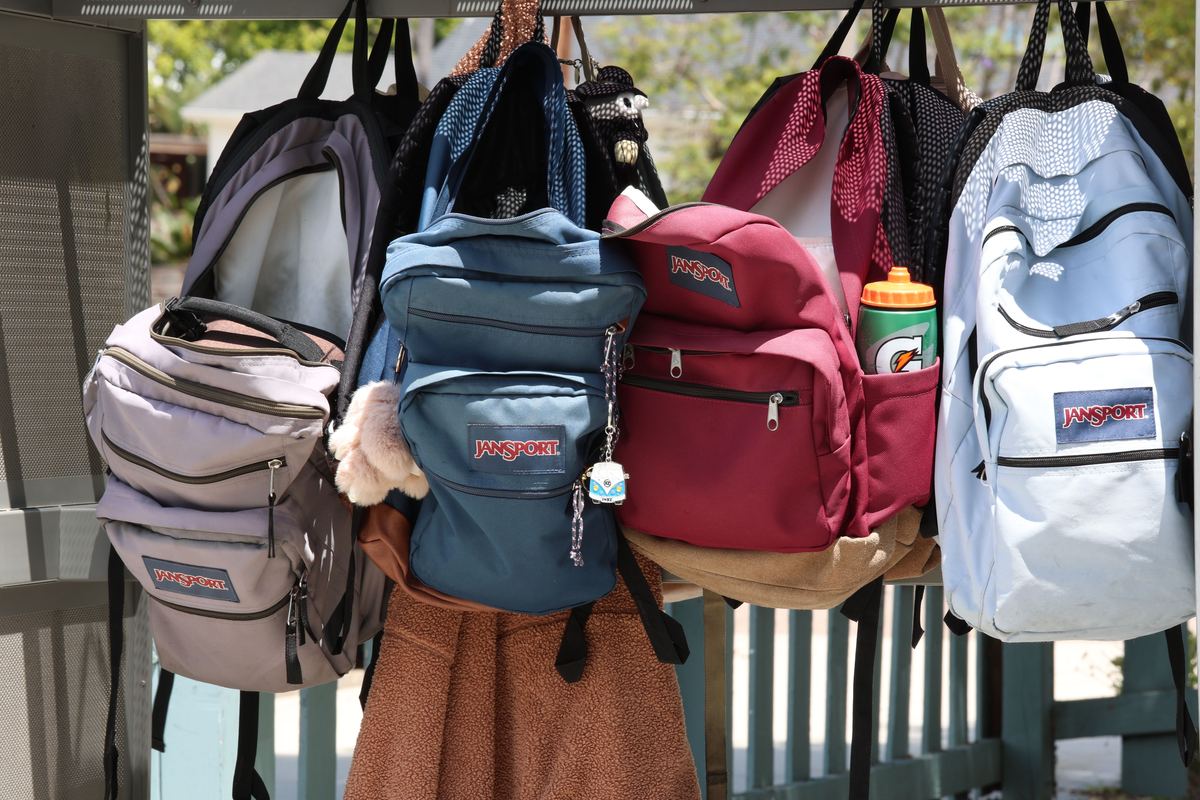
One pattern confuses parents more than any other: the school says your child is delightful and settled, while your evenings are chaos.
Both are usually true. Holding it together in a demanding environment costs effort, and home is where the effort is finally put down. The collapse at 4pm is not a contradiction of the good school report. It is the price of it.
A teacher saying “no problems here” does not rule anything out. Anxious children are frequently the compliant ones, and compliance is easy to mistake for contentment.
Where it comes from
It is the first question almost every parent asks, and it is worth answering properly before moving on to what to do about it.
Parents almost always ask whether they caused it. The honest answer is that anxiety is substantially temperamental — some children arrive more sensitive to threat and stay that way — and that environment shapes how much difficulty that temperament causes.
Which is the encouraging part. You cannot change a child’s baseline sensitivity, and you do not need to. What responds to change is how the family handles the anxiety, and that is worth far more than the search for a cause.
Shyness or anxiety?
Plenty of children are simply reserved, and reserve is a temperament rather than a problem. The distinction is less about how a child behaves in the moment than about what it costs them.
| What to look at | Shyness | Anxiety |
|---|---|---|
| Warming up | Settles once familiar with people or place | Familiarity does not reliably help |
| Cost | Little; the child still does the thing | Activities, friendships or classes get given up |
| Body | Not usually involved | Stomach aches, headaches, nausea, needing the toilet |
| Anticipation | Mild reluctance beforehand | Days of dread before an ordinary event |
| Reassurance | Accepts it and moves on | Asks the same question repeatedly and stays unsettled |
| Reach | Mostly social situations | Spreads: sleep, food, separation, school |
| Recovery | Bounces back quickly | Takes a long time to settle afterwards |
What it looks like at different ages
The same underlying anxiety presents very differently at four and at fourteen, which is part of why it gets missed as children get older.
| Age | What you may see | Commonly mistaken for |
|---|---|---|
| 3–5 | Clinginess, tantrums at transitions, sleep resistance, regression | A phase, or being spoilt |
| 6–8 | Stomach aches on school mornings, endless questions, perfectionism | Attention-seeking or fussiness |
| 9–11 | Avoiding activities, tearfulness at bedtime, worry about parents’ safety | Being oversensitive |
| 12–14 | Irritability, social withdrawal, refusing invitations, school refusal | Ordinary adolescence or laziness |
| 15–18 | Procrastination, sleep problems, panic before exams, quitting things | Poor motivation |
The physical side
This is where a lot of childhood anxiety first reaches a professional, usually a GP rather than a therapist.
Recurring stomach aches and headaches with no medical explanation are among the most common presentations of childhood anxiety, and among the most frequently investigated for something else.
The pattern is the tell. Symptoms that appear on Sunday evening and Monday morning, and vanish by Saturday, are describing a situation rather than an illness. Have the medical side checked first, then look at the timing.
What helps at home, and the well-meant thing that does not
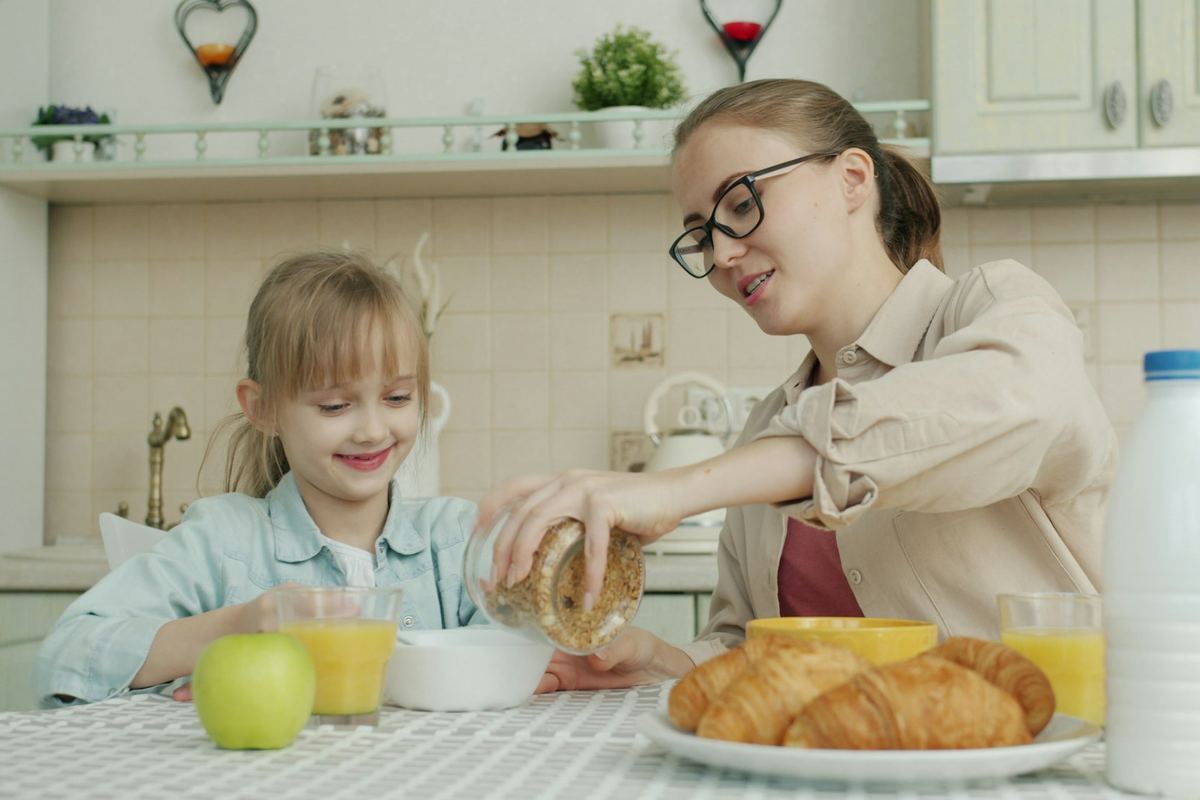
None of this requires a therapist. It is what most of the early work in child anxiety consists of, and parents deliver it far more often than any clinician does.
- Name it plainly. “That sounds like your worry brain” gives a child something to push against.
- Answer a worry once, properly. Then decline to answer it the ninth time, warmly. Repeated reassurance feels kind and quietly teaches the child that the question needed asking.
- Take small steps toward the feared thing rather than around it. Attend the party for twenty minutes rather than not at all.
- Protect sleep first. Tired children have almost no capacity for tolerating uncertainty.
- Do not promise it will be fine. Promise you will be there, which is a promise you can keep.
The hardest of these is the second. Reassurance is the most natural parental response there is, and given repeatedly it becomes the fuel rather than the cure.
The Child Mind Institute’s guidance on what to do and what to avoid when children are anxious covers that trap in more depth.
School refusal: the sharp end
The point at which childhood anxiety becomes impossible to ignore is usually a morning when a child cannot get through the school door.
It rarely arrives without warning. Looking back, most parents can trace weeks of stomach aches, a dropped club, a friendship that quietly ended. School refusal is generally the visible end of a longer process.
Two things matter once you are there. Time out of school is the hardest thing to reverse, so partial attendance is almost always better than none. And the school needs to be a partner rather than an adversary — a phased return, a named adult, a place to go when it becomes too much, agreed in writing.
What to tell the school
Be specific rather than diagnostic. “She struggles with unstructured time and finds lunch hardest” is more actionable than “she has anxiety”, and it gives a teacher something to actually do on Monday.
When it is worth talking to someone
Roughly: when the anxiety is costing your child things they would otherwise want. A missed birthday party, a club given up, a friendship not pursued, a class where they never speak.
Also when it has lasted more than a few weeks, when it is spreading into sleep and eating, or when family life has quietly reorganised itself around avoiding the trigger.
For younger children this work usually happens through play therapy rather than conversation, for reasons our comparison of play therapy and talk therapy explains. Where the whole household has organised around the anxiety, family counseling often moves faster.
Frequently asked questions
Is my child just shy, or is it anxiety?
Shyness eases as a child gets familiar with a person or place. Anxiety does not reliably fade with familiarity, and it tends to cost the child something — an activity avoided, a friendship not made, a class not spoken in.
Why is my child fine at school and difficult at home?
Holding it together all day takes effort, and home is where it gets released. Teachers reporting that everything is fine does not contradict what you are seeing after 3pm; it often confirms how hard the child is working.
Should I let my child avoid the thing that frightens them?
Occasionally, but avoidance is what makes anxiety grow. The more useful path is small, graded steps toward the feared thing with support, rather than either forcing it or removing it.
Do stomach aches and headaches count?
Often, yes. Younger children experience anxiety physically far more than verbally, and recurring symptoms with no medical cause — particularly on school mornings — are worth taking seriously. Rule out the medical side first.
At what age can a child have therapy for anxiety?
From early childhood, though the format changes. Younger children are usually worked with through play rather than conversation, and the parents are typically involved throughout.
Our pages on child therapy in Orem and counseling for anxiety and depression set out how we work with this, and you can contact the office with a question before booking anything.