

You have tried the reward chart. You have tried counting to three. You have tried the thing your mother did, and the opposite of the thing your mother did, and by six o’clock on a Wednesday you are negotiating with a four-year-old about shoes and losing.
Almost all of the useful findings here point the same direction, and it is not the direction most parents expect. What changes behavior is predictability, not severity.
Why consistency beats severity
A child works out the rules from what actually happens, not from what they are told. If a limit holds four times out of five, the reasonable conclusion is that it is worth testing — because it is, and the fifth time pays.
This is why escalating rarely helps. A larger consequence applied unpredictably teaches less than a small one applied every time, and it costs more in the relationship. Parents who report that nothing works have often tried many things briefly rather than one thing consistently.

The corollary is that fewer rules, held reliably, outperform many rules held approximately. Most households are running more instructions than anyone can enforce, which guarantees the inconsistency that causes the testing.
Prevention does most of the work
The confrontations that dominate family life are strikingly predictable — leaving the house, the supermarket, screens ending, bedtime, the transition from any enjoyable thing to any necessary one. The same four or five flashpoints, most days.
That predictability is the opportunity. Almost anything you change in advance beats anything you do in the moment.
| The moment | What usually happens | What tends to work better |
|---|---|---|
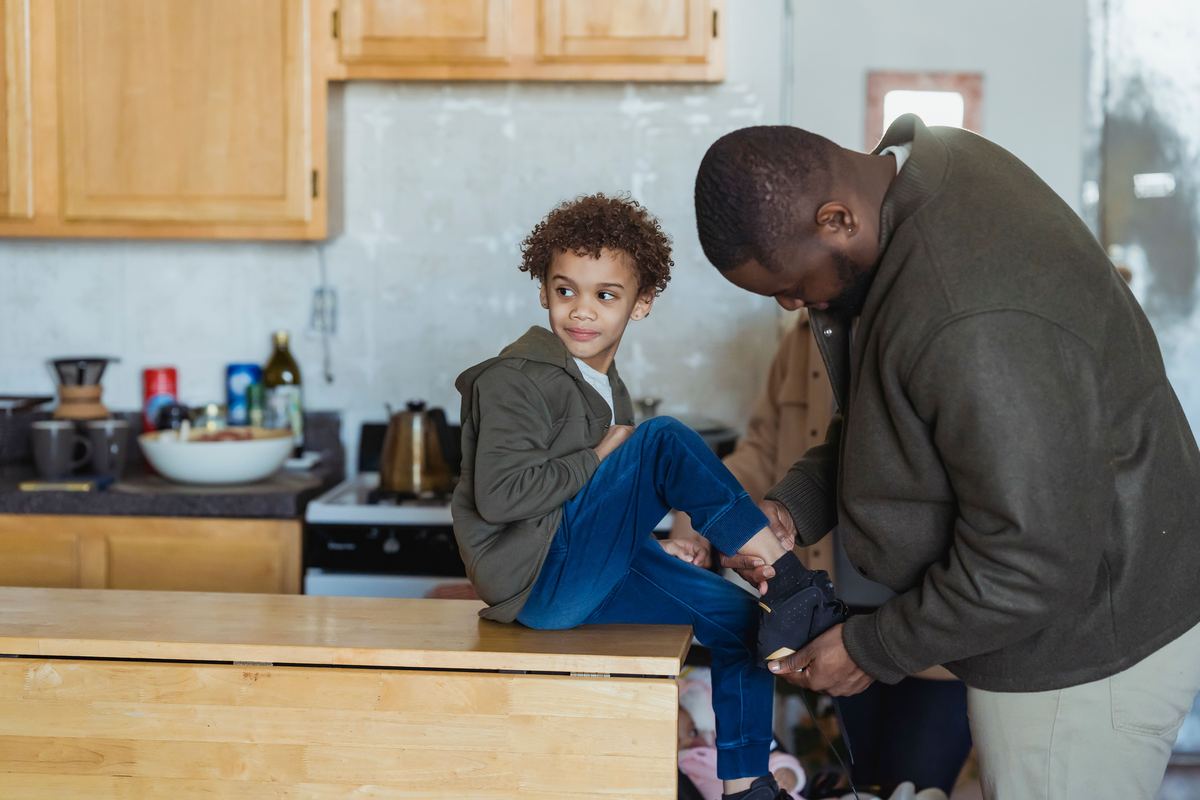
| Leaving the house | Rushing, then a battle at the door | A warning, then shoes before coats |
| The supermarket | Escalating requests, public standoff | A job to do, and the rule said first |
| Ending screens | Sudden stop, meltdown | A countdown they can see |
| Bedtime | Negotiation expands | Same sequence, dull, every night |
| Getting dressed | Power struggle | Two acceptable options |
The Center for Parent Information and Resources has a practical overview of managing behavior at home that covers the same ground in more detail, including how to work out what a particular behavior is actually achieving for a child.
Attention is the currency
Young children are not weighing positive and negative attention the way adults assume. A child who reliably gets a big reaction for one behavior and a distracted nod for the rest has learned which one works.
This is why the standard advice about noticing good behavior is not sentimentality. It is about where the attention lands. Ten seconds of genuine, specific attention for something ordinary — playing quietly, coming when called — changes the arithmetic more than most consequences do.
Specific matters. “Good boy” does not tell a child what worked; “you put your shoes on the first time I asked” does.
The other half of this is what happens when you are not looking. A child who only gets sustained attention during difficulty will find difficulty, and the cheapest correction available to most households is ten uninterrupted minutes a day that are not contingent on behavior at all — no phone, no instructions, led by the child.
That sounds slight and it is one of the better-supported interventions in the literature. It works because it changes what a child has to do to be noticed, which is the underlying economy that most behavior problems are responding to.

What to do in the moment
Fewer words. A great deal of what parents say during a confrontation is explanation aimed at securing agreement, and a dysregulated four-year-old cannot process it. Short, calm, repeated is more effective than reasoned.
Get physically low. Standing over a small child is escalating in a way adults rarely notice, and crouching changes the interaction more reliably than any change in wording.
Give the instruction once, then act. The gap between the third repetition and the first consequence is where most of the daily attrition happens, and closing it is usually the single change that makes the biggest difference to how a household feels.
Then hold the limit while accepting the feelings. Those are separate. A child is allowed to be furious about leaving the park; they are still leaving the park. Parents commonly collapse the two — either giving way because the distress is real, or treating the distress itself as misbehavior.
| Situation | What tends not to work | What tends to work |
|---|---|---|
| Furious about leaving | “You’re fine, stop it” | “You’re cross. We’re still going.” |
| Refusing to get dressed | Escalating the demand | Two options, both acceptable |
| Hitting a sibling | A long explanation | Short, immediate, unemotional |
| Public meltdown | Managing the audience | Managing the child, leaving if needed |
| Repeating a request | Asking a fourth time | Following through on the first |

What the evidence says about smacking
This is worth being direct about because it comes up constantly, often with the observation that it worked on the person asking.
The research is unusually consistent: physical punishment is associated with worse behavior over time and with increased aggression, not less. It also frequently works in the immediate moment, which is precisely why it persists — the short-term result is visible and the long-term one is not.
Most parents who ask about this are not asking for permission. They are asking because they have done it and felt bad about it. That is worth taking to a conversation rather than carrying, particularly if it is happening at the end of your tether rather than as a policy. Our guide to when anger is frightening the people you love covers that honestly.

When it is not really about discipline
Some behavior does not respond to any of this, and continuing to apply better technique to it is the most common way families lose a year.
Consider something else where the behavior is extreme rather than difficult, where it appears suddenly, where it happens in every setting rather than at home, or where your child seems genuinely unable rather than unwilling to comply. Our guides to why a child’s anger turns into meltdowns and attention difficulties in children cover the two most frequent explanations, and anxiety in children covers a third that is routinely mistaken for defiance.
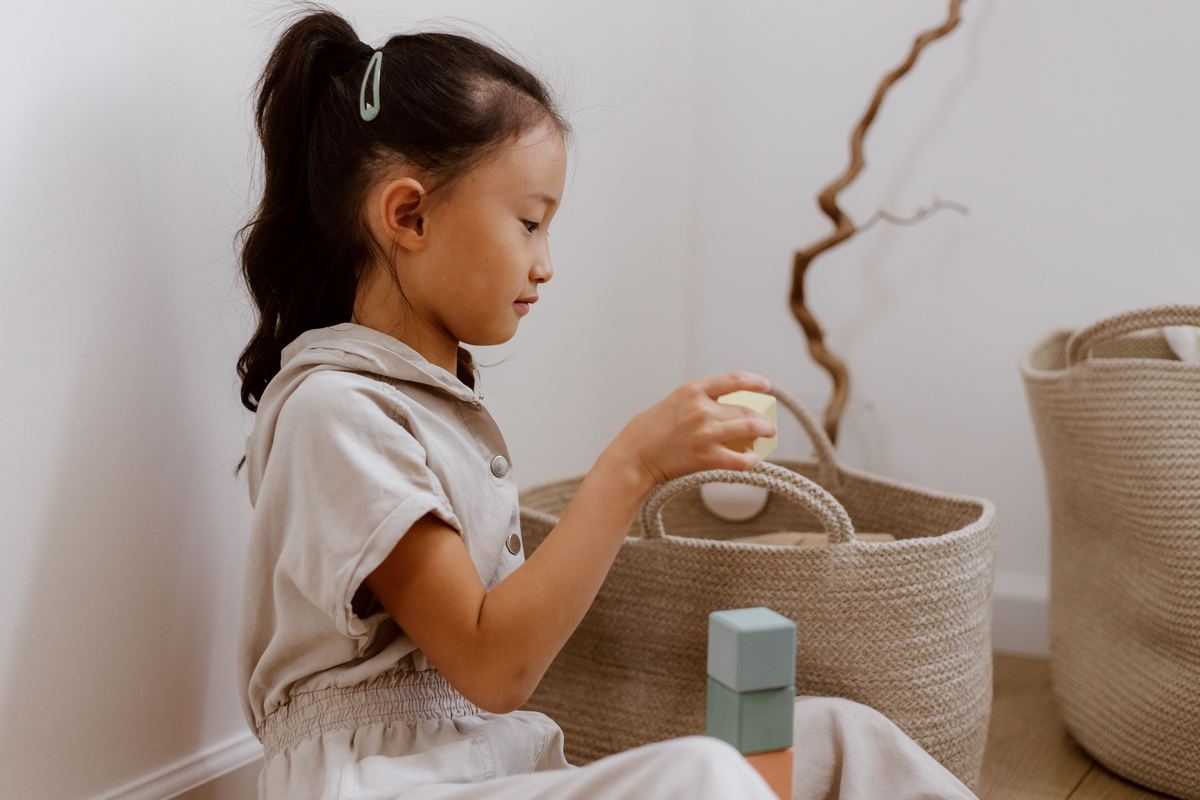
It is also worth remembering how young the children in question are. A three-year-old who cannot wait, cannot share and cannot manage disappointment is not failing at those things; they have not developed them yet, and most of what looks like defiance at that age is a capacity gap rather than a choice.
One reassurance. The households that manage this well are not the ones with the best technique or the calmest parents. They are the ones doing something ordinary and consistent, most of the time, and repairing it when they do not.
Frequently asked questions
Does time-out work?
It works for some children and some situations, and it is frequently misapplied. It is most useful as a brief pause to interrupt an escalation, not as a punishment scaled to the offence. Long time-outs for a small child mostly teach that being upset means being sent away.
How do I get them to listen the first time?
By asking less often and following through every time. Most children stop responding to first requests because experience has taught them that nothing happens until the third one. Fewer instructions, reliably enforced, resets that quickly.
What about smacking?
The evidence is unusually consistent and it points one way: it is associated with worse behavior over time, not better, and with increased aggression. It also tends to work in the moment, which is exactly why it persists despite the outcomes.
My child behaves at school and falls apart at home. Why?
Because they have been holding it together all day and home is where it is safe to stop. It is genuinely a compliment, if an unwelcome one. It is also a signal about how much effort school is costing them.
We disagree about discipline. What do we do?
Settle it away from the children rather than in front of them. Two parents applying one slightly imperfect approach consistently produces better results than each applying a better one that the other undermines.
Our pages on child therapy in Orem and family counseling explain how we work with this. You can contact the office with a question.