

Your teenager will not order their own food. They have stopped putting their hand up in a class they used to like. There is a party on Friday they said they wanted to go to, and by Friday afternoon they have a headache.
Most parents read this as shyness and expect it to pass. Some of it will. But shyness and social anxiety are different things, and the difference is worth knowing, because one of them gets larger the longer it is accommodated.
Shyness or social anxiety
Shyness is a temperament. A shy teenager takes a while to warm up, prefers smaller groups, and is not especially troubled by any of that. They arrive, they are quiet for twenty minutes, and then they are fine.
Social anxiety is a fear of being evaluated, and it is strong enough to change behavior. The person is not slow to warm up; they are calculating in advance how they might be judged, and arranging not to find out. The NHS describes it as a long-term and overwhelming fear of social situations, and notes that it usually begins during the teenage years — which is why this is the age at which parents start noticing.
| What to look at | Shyness | Social anxiety |
|---|---|---|
| Before the event | Mild reluctance | Dread, sometimes for days |
| On arrival | Warms up after a while | Stays braced, or leaves |
| Afterward | Usually enjoyed it | Reviews it for mistakes |
| Effect on choices | Little | Shapes what they will do |
| Physical symptoms | Rare | Blushing, nausea, shaking |
The clearest marker is the review afterward. A socially anxious teenager replays the conversation looking for the moment they were stupid, and the replay is often more painful than the event.
What it looks like when it is not obvious
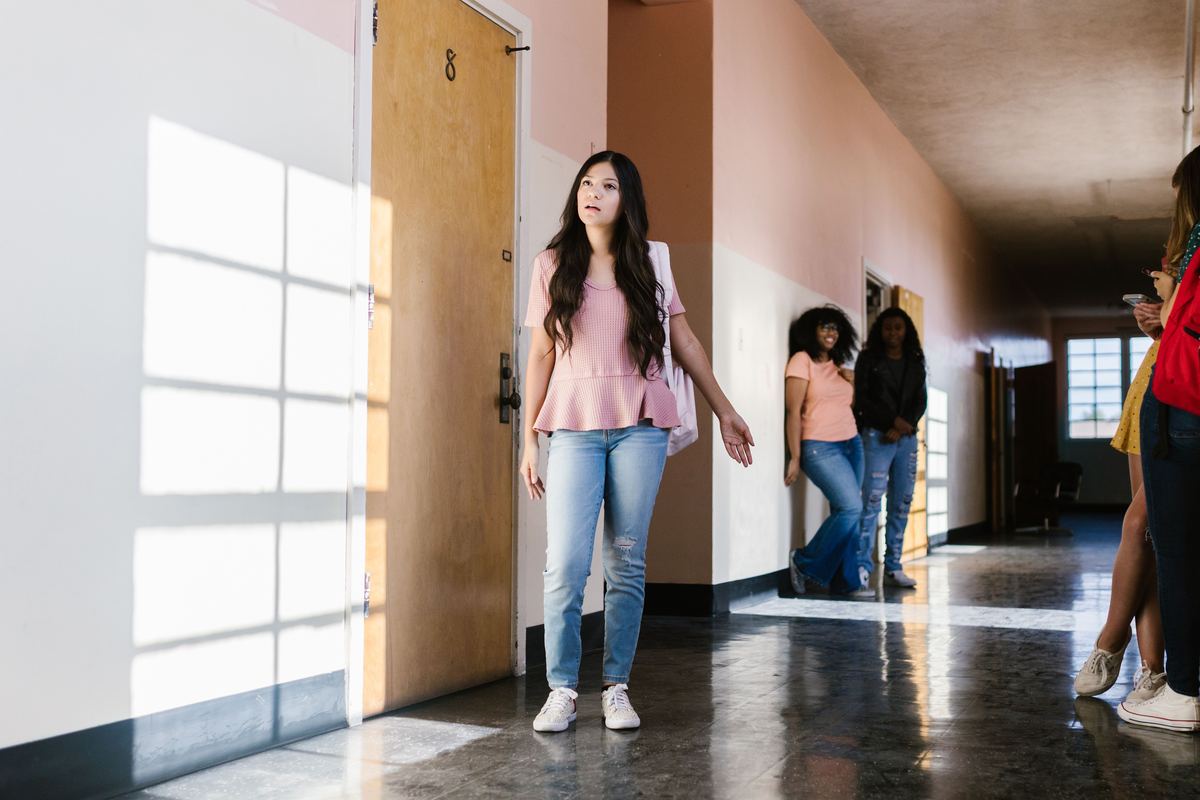
Social anxiety is easy to miss because the behaviors it produces have other reasonable explanations. A teenager who never asks the teacher for help is called disorganized. One who will not phone to book anything is called lazy. One who stops going out is called moody, or described as being on their phone too much.
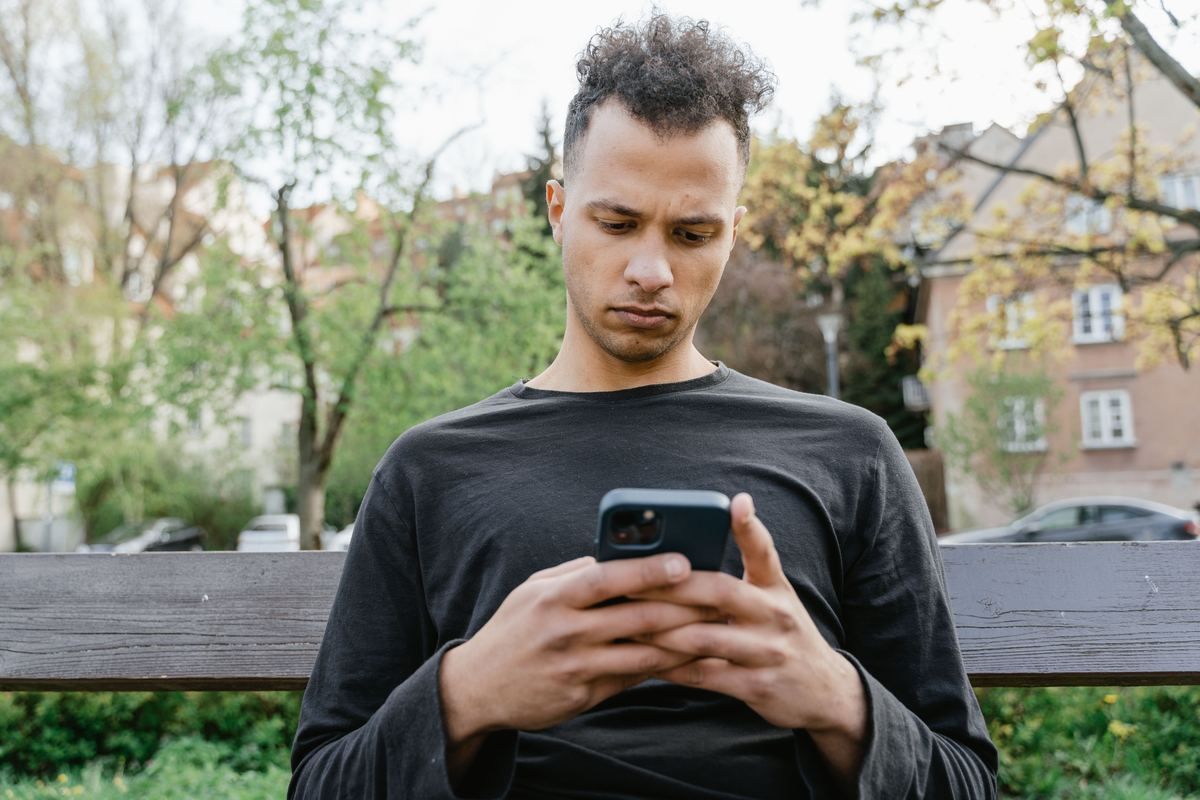
The phone deserves a note, because parents usually see it as the cause. More often it is the accommodation. Text is social contact with the evaluation removed — no face, no pause to misread, time to draft. A socially anxious teenager is not avoiding people by using it; they are choosing the version of people they can manage.
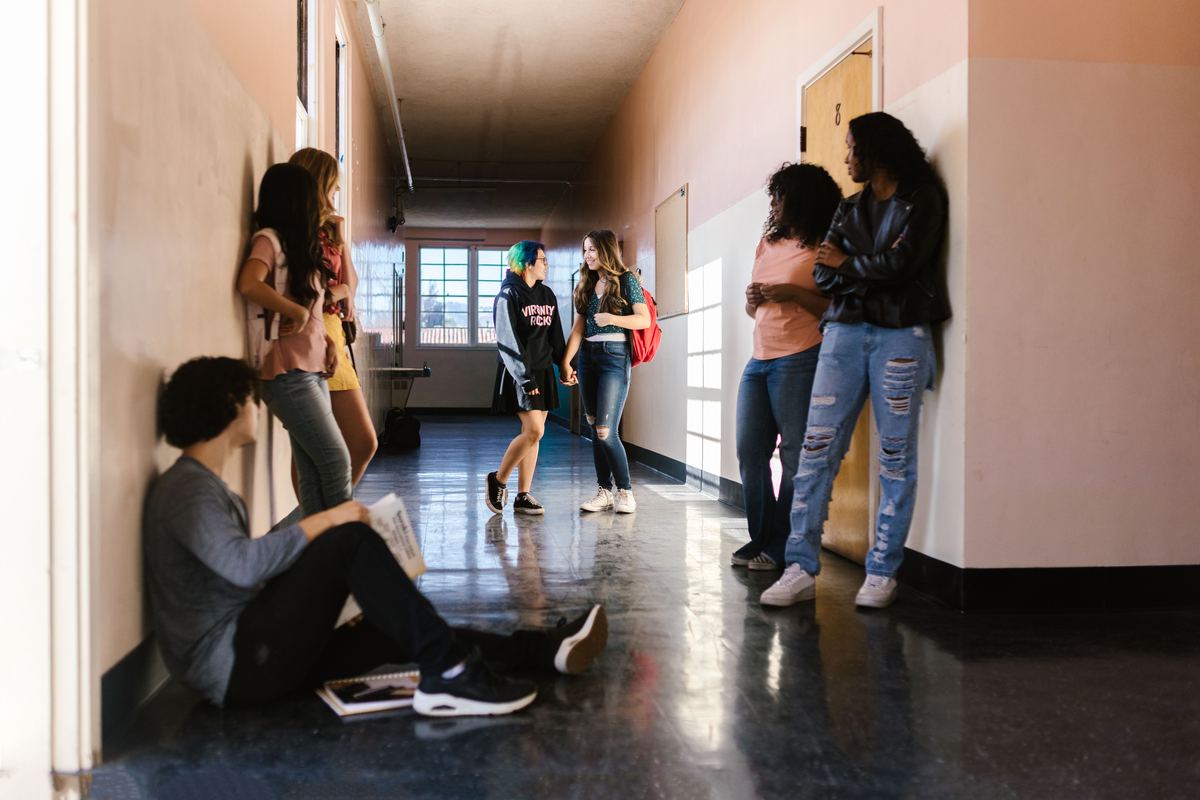
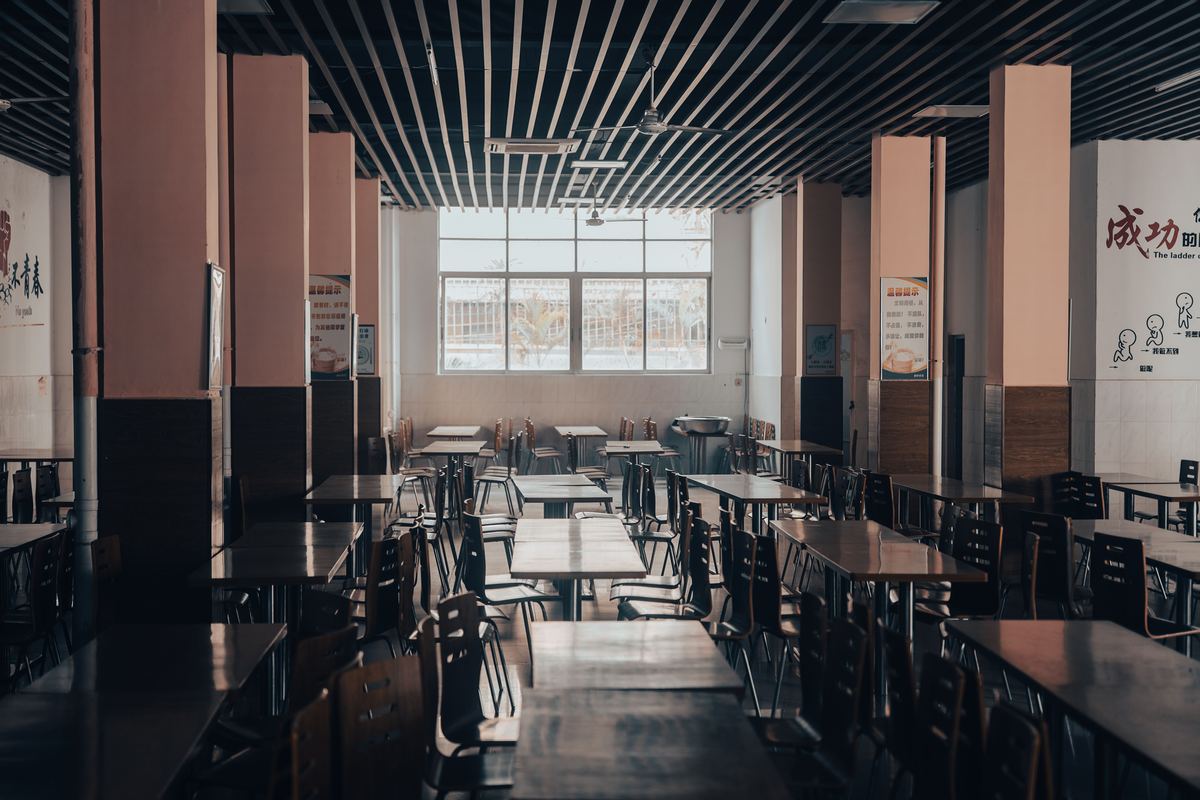
The parts of the day that cause the most trouble are usually the unstructured ones. Lessons have rules and a script. Lunch, corridors and group work have neither, and those are where an anxious teenager has to improvise in front of an audience.
Why it grows
Avoidance works. That is the whole problem. Every time your teenager does not go, the anxiety drops immediately, and the brain records that avoiding was what fixed it. The next invitation is harder, not easier.
Over a couple of years this quietly shrinks a life. Not through any single decision, but through a long sequence of individually reasonable ones. Parents often notice only when they realize how much has gone: the club, the job, the friend group, the willingness to be dropped anywhere unfamiliar.
What helps
Graded exposure, which sounds clinical and is mostly common sense applied consistently. You work out a ladder of situations from mildly uncomfortable to currently impossible, and you start near the bottom rather than at the top.
The step has to be small enough that they will actually do it, which usually means smaller than a parent thinks reasonable. Ordering their own drink while you stand there is a real step. So is asking one question in a shop.
| Instead of | Try | Why |
|---|---|---|
| “Just go to the party” | Twenty minutes, with a lift home agreed | Survivable, and repeatable |
| “Phone and book it” | Sending the message while you sit there | Reduces the audience, not the task |
| “You will be fine” | “It will be uncomfortable and it will pass” | Accurate, so it stays credible |
| Rescuing them mid-event | Agreeing the exit beforehand | Control lowers the fear |
| Ordering for them | Waiting through the silence | Stepping in confirms they could not |
Reassurance needs handling carefully. Telling an anxious teenager that everything will be fine gives relief that lasts about a minute and teaches them to come back for more. Saying that it will be uncomfortable and that they can manage uncomfortable is less soothing and considerably more useful.
Resist doing the hard part for them. Ordering on their behalf, phoning the school, answering for them when someone asks a question — each of these is kind, and each confirms the thing they already suspect, which is that they could not have done it.
It is also worth being honest with yourself about which accommodations are for them and which are for you. Making the phone call is faster, avoids a scene, and gets the evening back. That is a real cost and worth naming, because the ones done for convenience are the hardest to stop.
When to get help
When it is shaping their choices rather than colouring them. When school attendance is affected, when they have dropped activities they used to want, or when the anxiety has generalized from one situation to most of them.
Sooner if there is low mood alongside it, which is common — a narrowing life is depressing on its own terms. Our guides to telling teen moodiness from depression and talking to a teenager who has shut down cover the overlap. Where the difficulty has reached school attendance, school refusal and what actually helps sets out the graded return.
The NHS also has practical advice for parents on supporting a young person with anxiety, which is worth reading before you change your approach at home.

One reassurance worth stating. The aim of treatment is not to turn a quiet teenager into an outgoing one, and any approach that seems to be attempting that is worth questioning. It is to remove the part where the fear decides what they are allowed to do. Plenty of people finish this work still preferring small groups and early nights, which was never the problem.
Frequently asked questions
Is social anxiety just shyness?
No. Shyness is a temperament and it is not distressing in itself. Social anxiety is a fear of being judged that is strong enough to change what a person will do, and the distinguishing feature is avoidance — the shy teenager arrives and warms up, the socially anxious one finds a reason not to go.
My teenager has friends. Can they still have social anxiety?
Yes, and it is common. Social anxiety is usually specific rather than general. A teenager can be relaxed with two close friends and unable to speak in class, order food, or walk into a room where they do not know everyone.
Should I make them go to things?
Gently and in graded steps, yes. Letting them skip reduces the anxiety today and enlarges it over time. Forcing a large step usually produces a bad experience that becomes evidence. What works is a step small enough to be survivable and an agreed exit.
Will they grow out of it?
Some do. Social anxiety that persists past the mid-teens tends not to resolve on its own, and it is one of the more treatable conditions, so waiting has a cost. The teenagers who do worst are usually the ones whose world quietly narrowed for years.
They say they just do not like people. Is that different?
Sometimes, and worth taking seriously rather than arguing with. The question is whether they are choosing solitude or settling for it. A teenager content with their own company looks relaxed; one avoiding judgment usually looks relieved rather than happy.
Our pages on therapy for teenagers in Orem and counseling for anxiety and depression explain how we work with this, and for older students our guide to therapy for BYU and UVU students covers the options on and off campus. You can contact the office with a question.